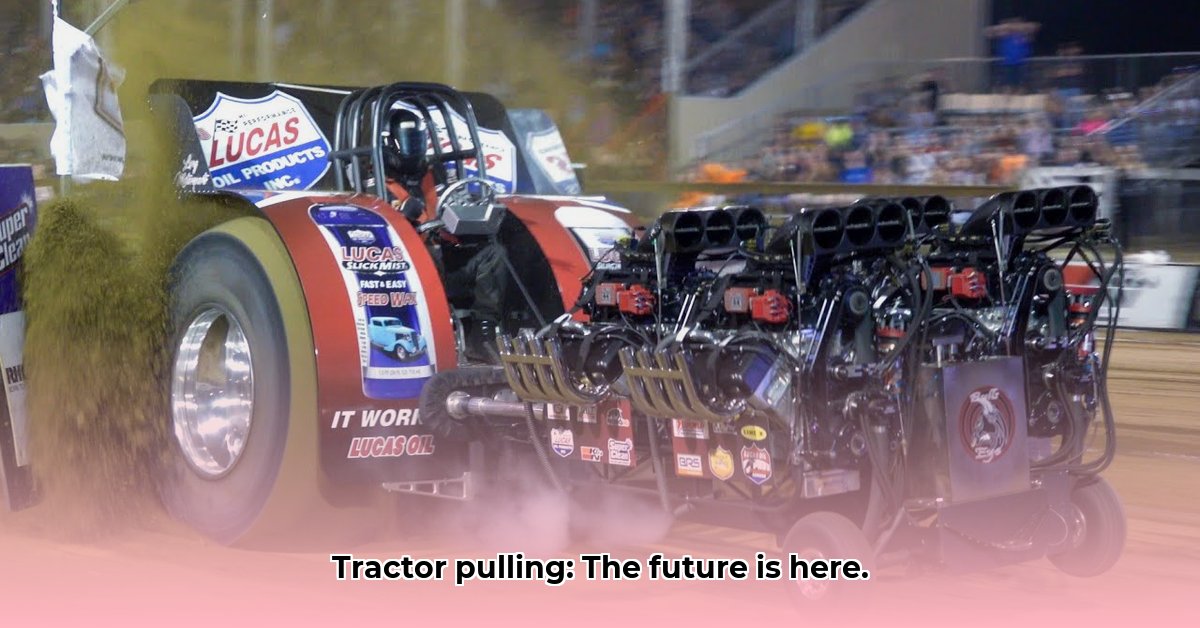
Engineered for Power: Technological Leaps in Modified Tractor Pulling Machines
Super Modified tractor pulling isn't just a spectacle; it's a high-stakes engineering competition pushing the boundaries of agricultural machinery. These aren't your average farm tractors; they're heavily modified machines designed for maximum pulling power. We're talking custom-built engines generating incredible horsepower, coupled with robust transmissions and drivetrains engineered to withstand immense stress. But it's not just brute force; sophisticated weight distribution and traction control systems are crucial for maximizing pulling capacity.
For more on mini modified tractor pulls, check out this site.
How do these machines achieve such phenomenal power? Highly modified engines utilize advanced fuel injection and massive turbochargers. Transmissions and axles are reinforced to handle extreme stress. Custom-designed components in the engines, often incorporating advanced materials, push beyond standard agricultural engine designs. The precision in constructing and tuning these engines is remarkable. Beyond the engine, strengthened transmissions and drivetrains efficiently distribute immense power. Advanced chassis designs, optimized for weight and traction, are key to competitive success. These machines exemplify human ingenuity and engineering prowess. Isn't it fascinating how much innovation goes into these seemingly simple agricultural machines?
Sustainability Challenges: The Environmental Footprint of Modified Tractor Pulling
While the technological advancements are impressive, the environmental impact is a critical concern. A significant gap exists in publicly available data on fuel consumption and emissions from these modified tractors. Prioritizing maximum power output inevitably leads to inefficient fuel usage, creating a conflict with the growing demand for sustainable agricultural practices. This creates a stark contrast between the thrilling spectacle and the need for environmentally responsible farming. How can we reconcile the excitement of the competition with the need for a sustainable future?
Bridging the Gap: Toward a Sustainable Future for Modified Tractor Pulling
The future of modified tractor pulling depends on balancing performance with environmental responsibility. This requires a concerted effort across several areas.
1. Data Collection and Transparency: Competition organizers must prioritize collecting and publishing detailed data on fuel consumption and emissions. Openly sharing this information is crucial for informed decision-making on future regulations and technologies. Understanding the fuel use and emissions of these machines is paramount for improving their environmental performance.
2. Exploring Alternative Fuels and Engine Designs: Manufacturers must invest in research and development of alternative fuels (biodiesel, biofuels, or even hydrogen) and more efficient engine designs. Sustainable engine design will be a crucial factor in making this sport more environmentally friendly. Imagine a future where modified tractor pulling champions boast incredible pulling power and minimal environmental impact.
3. Regulatory Action and Incentives: Governments and regulatory bodies can incentivize greener innovations through financial support (grants, tax breaks) and stricter emissions standards for agricultural machinery. Proper regulation plays an undeniable role in steering the industry towards sustainability.
4. Collaborative Innovation: Manufacturers, organizers, farmers, and regulatory bodies must collaborate to foster innovation and build a sustainable future. This collaborative spirit is key to bridging the gap between powerful machinery and environmental responsibility.
The Road Ahead: A Call for Collective Action
Modified tractor pulling reveals a fascinating paradox: remarkable technological advancements contrasted with a lack of environmental impact data. Action is required to integrate sustainability into the design and operation of these machines. By prioritizing sustainability, we can secure the future of this popular sport while contributing to broader sustainable agriculture initiatives. This collaborative approach is essential for ensuring a responsible and environmentally conscious future for modified tractor pulling.
Actionable Steps for a Greener Future:
Here's a breakdown of short-term and long-term actions for key stakeholders:
Farmers/Teams:
- Short-Term: Implement meticulous engine maintenance and optimize tire pressure.
- Long-Term: Invest in advanced fuel injection systems and explore alternative fuels (biodiesel).
Manufacturers:
- Short-Term: Develop more efficient engine designs and transmissions focusing on advanced combustion strategies and reduced weight.
- Long-Term: Invest heavily in R&D for alternative fuel engines (electric or hydrogen).
Governing Bodies:
- Short-Term: Mandate fuel efficiency testing and reporting of emissions at competitions.
- Long-Term: Introduce regulations incentivizing sustainable technologies and penalizing excessive fuel consumption.
Research Institutions:
- Short-Term: Conduct comprehensive studies quantifying fuel consumption and emissions for different engine modifications.
- Long-Term: Develop advanced modeling tools to predict the effectiveness of various fuel-saving strategies.
This collaborative approach, focusing on data collection, technological innovation, responsible regulation, and shared responsibility represents the pathway towards a greener and more sustainable future for modified tractor pulling.